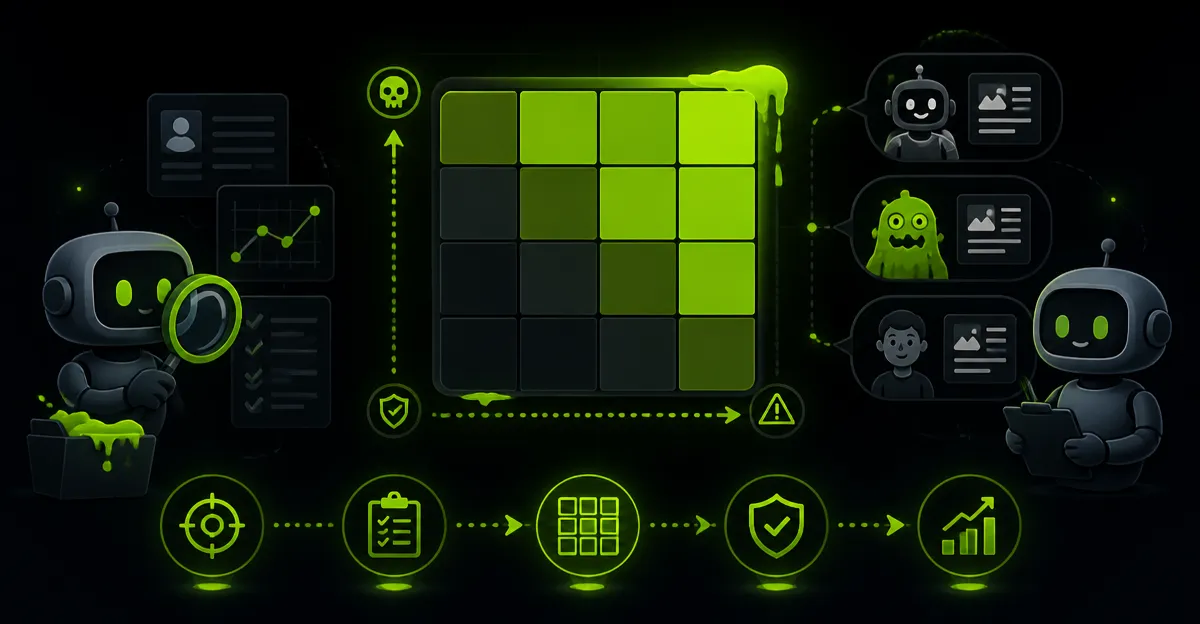
Third‑Party Data Licensing Checklist for AI Content: FAQs & Essential Compliance Guide
Date: January 15, 2026
Introduction — why this checklist even matters
On January 15, 2026, the landscape for using other people's data in AI is brutal and detailed. One can't just scrape, train, and hope; regulators, platforms, and competitors sniff out sloppiness fast.
Readers will get a no-nonsense, third-party data licensing checklist for AI content that one can implement today. The guide cuts through marketing fluff, calls AI content "slop" when it's deserved, and focuses on what drives traffic, compliance, and defensible models.
Why legal and licensing checks are non-negotiable
He, she, or they who skip licensing think speed beats diligence—until a takedown, lawsuit, or platform ban wipes out months of work. Results matter over feelings; compliance protects ROI.
Search engines and AEO signals care about provenance indirectly, and GEO rules change across jurisdictions. This isn't theoretical; it's the difference between scaling and being shut down.
The core checklist: third party data licensing checklist for ai content
This section lists the must-have checks for any team licensing data for llm training or AI-generated outputs. One should treat this as the project's legal spine.
1. Source verification
Confirm the exact dataset source and ownership. Don't accept vague vendor statements; one needs provenance down to timestamps and acquisition methods.
Examples: public domain text, licensed corpus, proprietary customer data, or scraped web content with explicit crawl terms. Each has different risk profiles.
2. License scope and rights granted
Read the license to determine allowed uses: commercial, derivative works, redistribution, sublicensing, and model training. Ambiguity equals liability.
Step-by-step: extract clauses on permitted use, prohibited use, term length, and territory. If the license lacks clarity, negotiate written clarification or walk away.
3. Attribution and moral rights
Some sources demand attribution or preserve moral rights. That can affect generated content prompts and visible attributions on outputs.
One should plan content pipelines and schemas to include attribution metadata where required. Use schema markup or internal tags for traceability.
4. Data privacy and PII checks
Check whether the dataset contains personal data, sensitive info, or PII. Anonymization steps might be mandatory or insufficient for certain regulations.
Perform a privacy impact assessment, and document deletion/retention policies. For GEO-sensitive jurisdictions, stricter rules often apply.
5. Export controls and jurisdictional limits
Some data can't cross borders due to export controls or national security rules. Verify where training and inference will occur.
Consider edge cases: hosting in one country but serving users in another can trigger GEO or cross-border compliance obligations.
6. Indemnity and liability
Check whether the vendor provides indemnity against IP claims or disclaims all liability. One should evaluate risk tolerance carefully.
Higher indemnity equals better protection. If the vendor disclaims everything, accept higher insurance or don't use the dataset.
7. Audit rights and record-keeping
Negotiate audit rights and retention of acquisition records. Auditable provenance is a defensive weapon when claims arise.
Maintain a ledger of acquisitions, hashes, licenses, and ingestion logs. This helps with SEO audits, compliance requests, and internal reviews.
8. Update and refresh policies
Data changes over time; licenses can be renewed or revoked. Plan for version control and re-licensing timelines.
One should schedule quarterly checks for critical datasets and build alerts into the content pipeline for license expirations.
9. Third-party vendor due diligence
Assess the vendor's reputation, financials, and past litigation. A shady vendor makes downstream compliance impossible.
Vendor questionnaires, reference checks, and sample audits should be routine for any material dataset purchase.
10. Model usage and disclosure obligations
Some licenses require disclosure of model training sources or to publish model cards and usage notices. Track these obligations centrally.
Combine this with SEO and AEO efforts: transparency often performs better in trust signals and can be embedded with schema markup to aid discoverability.
Step-by-step implementation plan
Here's a pragmatic workflow to apply the checklist in real projects. Follow it or get burned by sloppy pipelines.
- Inventory all incoming datasets and tag metadata, including license links and acquisition dates.
- Run automated PII scanners and manual spot checks for high-risk files.
- Map licenses to intended uses: training, fine-tuning, inference, or redistribution.
- Negotiate gaps upfront or sandbox data until legal signs off.
- Track license expirations and prepare migration/repurchase plans.
Real-world examples and short case studies
Example 1: A startup used scraped forum posts to train an llm chatbot and ignored a forum's specific anti-crawling clause.
Result: A takedown and forced retraining wiped months of work. Lesson: one should verify terms of service and get explicit licensing when needed.
Example 2: A publisher licensed a historical newspaper corpus for commercial use and embedded attribution metadata with schema markup.
Result: The publisher avoided disputes, improved AEO trust signals, and saw organic traffic lift due to better discoverability.
Comparisons: scraping vs licensed corpora vs synthetic data
Scraping is cheap and fast but legally risky. Licensed corpora cost more but reduce litigation risk. Synthetic data is safest for privacy but may not match domain fidelity.
Pros and cons list helps one decide based on budget, timeline, and risk tolerance. Don't pick purity over product-market fit.
Schema and metadata — practical setup
Use schema to expose provenance and licensing info on public-facing model pages. Search and AEO systems reward clarity and structured data.
Here's a simple JSON-LD snippet one might use to document dataset licensing on a public disclosure page:
{
  "@context": "https://schema.org",
  "@type": "Dataset",
  "name": "Example Licensed Corpus",
  "license": "https://vendor.example.com/license/abc",
  "datePublished": "2025-10-01",
  "creator": {"@type": "Organization","name": "DataVendor Inc."}
}
One should adapt this to include rights, attribution, and other obligations. Schema markup makes audits and SEO optimization easier.
Frequently asked questions (FAQs)
Q: What is the minimal third party data licensing checklist for AI content?
One should at least verify source, permitted use, PII exposure, indemnity, and audit rights. That's the bare minimum before training an llm.
Q: Can one rely on public domain data without licenses?
Public domain is usually safe, but provenance matters. Some datasets labeled public domain were assembled from copyrighted sources by mistake.
Always perform spot legal reviews and maintain hashes for provenance. Don't assume blanket immunity.
Q: How should one document licenses for SEO and compliance?
Publish a dataset or model card page with license links and use schema markup. That helps AEO and builds defensible transparency in public records.
Q: Does anonymization eliminate legal risk?
Anonymization reduces privacy risk but may not remove IP issues. Some content rights persist despite anonymization.
Q: What about using CC licenses for training data?
Creative Commons licenses vary; CC BY and CC BY-SA allow many uses if attribution is provided. CC-NC and CC-ND restrict commercial and derivative uses respectively.
Read each license closely and track obligations in the dataset inventory.
Final checklist (quick actionable summary)
- Verify source and ownership with documentation.
- Extract permitted uses and territory from the license.
- Scan and remediate PII and sensitive content.
- Secure indemnity or accept documented risk/insurance.
- Publish model cards and use schema markup for transparency.
Conclusion — be pragmatic, not paralysed
The third party data licensing checklist for AI content isn't optional anymore; it's survival. One can either build defensible processes or hope luck favors sloppiness.
He, she, or they should pick their pain: invest upfront in licensing and optimization, or deal with disruptions later. Results trump feelings—so one should prioritize what protects traffic, reputation, and product continuity.