How to Boost SEO: Mastering Narrative Structure to Skyrocket Your Search Engine Rankings
Date: January 7, 2026
One could say SEO is part art, part engineering, and part psychology. On January 7, 2026, the game looks even messier, with LLMs and AEO signals reshaping what Google rewards. This article cuts the fluff and shows how narrative structure impacts search engine rankings in ways people ignore at their peril. He, she, or they who treat content as a laundry list will get mediocre results; stories get clicks and keep users. This is brutally honest: AI content slop won't save a weak narrative.
Why Narrative Structure Matters for SEO
Narrative isn't just for novels; it's how humans process information, and search engines mirror that because of AEO and user behavior signals. Narrative structure affects click-through rate, dwell time, and the likelihood of getting featured snippets and People Also Ask slots. One shouldn't expect pure keyword stuffing to outrank a well-told story that answers intent. Modern optimization connects SEO, GEO, and AEO signals to the user's journey through content. Think of narrative as UX for the brain, and schema markup as signposts on the road.
Search Engines Read Signals, People Read Stories
Search engines infer quality through behavior: clicks, pogo-sticking, scroll depth, and engagement. If the narrative hooks and guides the reader, those signals improve. An LLM can generate a thousand-word slop article that looks decent, but it can't replace an intentionally structured story designed for conversions. Narrative helps shape micro-commitments — small reads that become bigger reads and eventually leads. Schema helps the engine understand those micro-commitments in machine terms.
Core Narrative Elements That Boost Rankings
One can map classic narrative beats to SEO outcomes. This gives structure to content and makes it easier for search engines to match intent. The following elements are practical and measurable, not poetic wishful thinking. Use them to design content that both humans and algorithms prefer. They work for blog posts, product pages, and long-form guides alike.
1. Hook (Capture Clicks and CTR)
The hook is the title, meta description, and lead paragraph. It decides whether a searcher clicks. A compelling hook increases CTR, which feeds back into rankings. For example, a travel brand rewrote titles to promise a specific outcome and saw a 21 percent CTR lift in 60 days. That lift improved organic positions for competitive GEO queries. Titles and meta should use schema where appropriate for enhanced displays.
2. Conflict or Problem (Match Intent)
Lay out the user's pain clearly, early. This aligns with search intent and increases dwell time because the reader feels understood. He or she who buries the problem in jargon loses readers fast. Clear problem statements also help secure featured snippets by matching common query phrasing. Structured data like FAQ schema can reinforce that match.
3. Resolution Path (Provide Clear Solutions)
After the problem, show a step-by-step resolution. This is where AEO signals reward content that solves intent. Numbered steps, checklists, and action items improve scannability and increase the chance of being used as a rich result. Use schema markup for how-to, how-to steps, or recipes to directly map narrative steps to SERP features. Readers and LLMs love structure.
Practical Step-by-Step: Implement Narrative Structure
Here are concrete steps to rework any article or page into a narrative-driven asset. One should treat this like a small conversion project, not a halfway edit. Follow these steps in order and measure at every stage. Results over feelings — that is the credo.
-
Audit Existing Content
Identify high-impression pages with low CTR or quick bounces. Use Google Search Console and analytics to find candidates. These are the low-hanging fruit where narrative changes return real traffic. Export queries and landing pages to map intent clusters for narrative rework.
-
Create a Narrative Outline
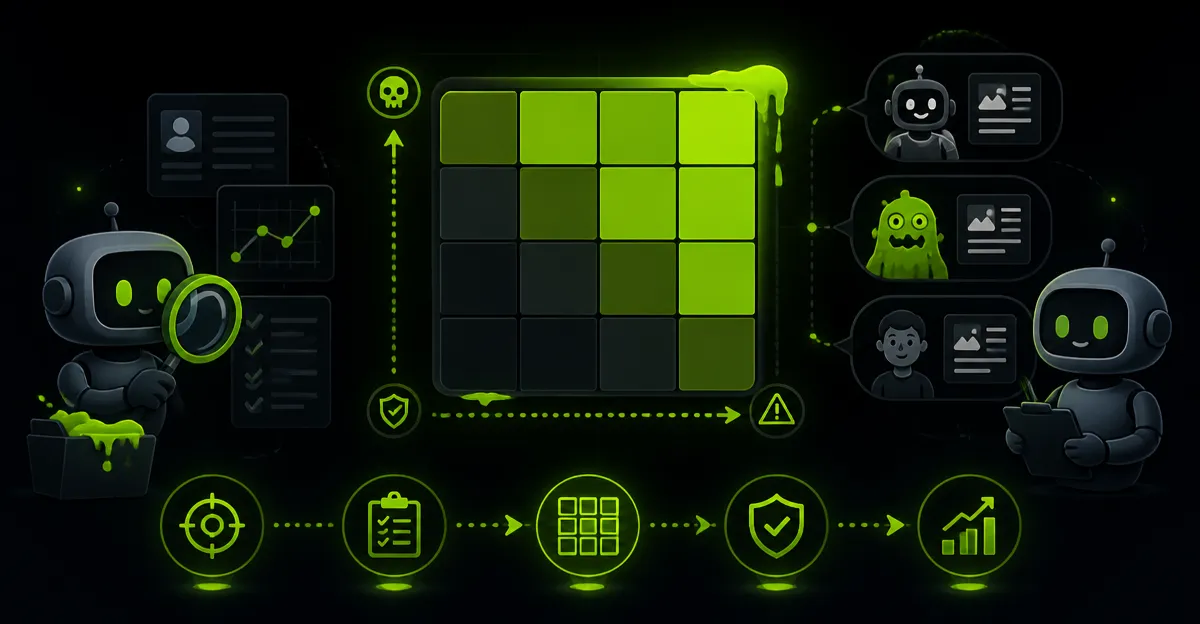
Rewrite the page outline into Hook, Problem, Journey, Resolution, and Next Steps. Add subsections that answer micro-intents and incorporate long-tail phrases. This isn't rewriting for word count; it's rewriting for cognitive flow.
-
Optimize On-Page Elements
Revise title tags and meta descriptions to emphasize the hook. Update H1 and lead paragraph. Insert how-to or FAQ schema markup where it fits. Ensure internal links act like chapter markers.
-
Enhance with Schema Markup
Add structured data types relevant to narrative: article, how-to, FAQ, and breadcrumb schema. This helps AEO and LLM-driven features surface the best parts of the narrative. Use schema markup to highlight the steps in the resolution and the expected outcome.
-
Measure and Iterate
Track CTR, positions, bounce rate, and dwell time. If CTR improves but positions stagnate, tweak intent signals. If dwell time increases, Google will likely reward with higher ranking over time. Keep experiments focused and time-boxed.
Real-World Case Study
An anonymized e-commerce brand in 2025 restructured its category pages into short narratives that explained a shopper's problem, compared options, and provided a clear buying path. They added FAQ schema and how-to snippets for use cases, then targeted local GEO modifiers for major metros. Within three months they saw a 42 percent increase in organic sessions and a 17 percent lift in conversions from search. That wasn't luck; it was narrative clarity, schema markup, and conversion-minded optimization working together.
Comparisons: Narrative vs Traditional SEO Copy
Compare the two approaches to understand trade-offs. This helps one pick the right strategy for the page type and intent. Below are concise comparisons and pragmatic advice for when to use which method.
Pros and Cons
-
Narrative-Driven Content
Pros: Better engagement, higher CTR, more likely to earn featured snippets and long clicks. Cons: Takes longer to craft and test, needs tight editorial control.
-
Traditional Keyword-Focused Copy
Pros: Faster output, easier to scale with LLMs. Cons: Higher risk of churn, lower engagement, and it often becomes LLM slop that search engines see through.
Advanced Tips: LLMs, AEO, and Schema Synergy
LLMs can draft narrative outlines, but one shouldn't hand them the steering wheel. Use an LLM to generate variations of hooks, but have a human pick the best one based on intent data. AEO pushes engines to prioritize answers, so format narratives to surface crisp answers for algorithms. Schema markup tells machines where those answers live, which improves the chance of rich results in GEO-specific and global searches alike.
Quick Wins
- Turn your resolution steps into how-to schema with clear step descriptions.
- Use FAQ schema for common objections and micro-questions inside the narrative.
- Localize narrative hooks for GEO queries by adding city-specific examples and data.
- Feed best-performing snippets into your page meta and headings to lift CTR.
Final Checklist Before Publishing
One should run through a short checklist to ensure narrative and technical optimization align. This reduces rework and speeds up uplift in rankings. Follow this checklist on every important page.
- Hook tested against real query phrasing
- Problem and resolution clearly mapped to intent
- How-to and FAQ schema applied where relevant
- Internal links act as narrative chapter markers
- Performance metrics set and tracked for 90 days
Conclusion
To dominate search in 2026, one must stop pretending content quantity beats story quality. The truth is harsh: without coherent narrative structure, content becomes background noise. Narrative shapes human engagement, which feeds SEO signals like CTR, dwell time, and AEO-friendly snippets. Use schema markup and measured LLM assistance to amplify narrative, not replace it. Results over feelings — craft stories that guide users, measure the impact, and iterate until competitors get buried.