Introduction
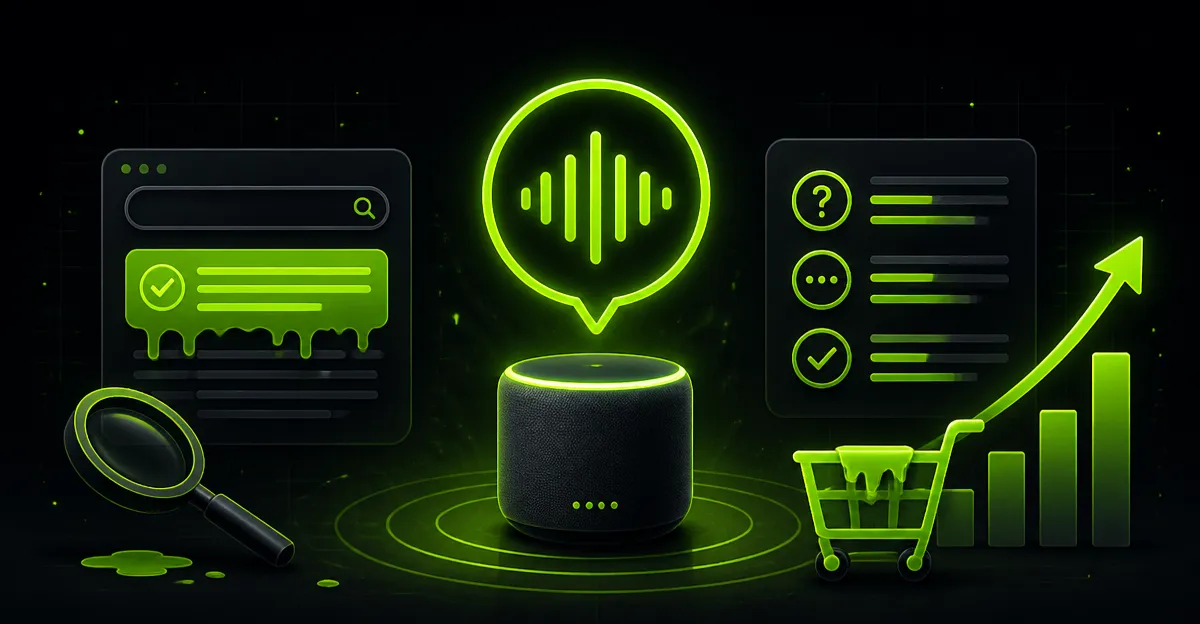
One might think AEO is just another buzzword, but the data says otherwise. If you’re still chasing clicks without caring about voice, you’re leaving money on the table. This FAQ breaks down whether AEO optimization can increase voice search conversions and how to actually make it happen.
What Is AEO and Why Does It Matter?
AEO, or Answer Engine Optimization, is the practice of shaping content so that answer engines—think Google’s featured snippets, Siri, Alexa, or any LLM‑driven chatbot—serve your material directly. Unlike traditional SEO, which aims for rankings, AEO wants your answer to be the one spoken aloud.
In a world where 55% of households own a smart speaker, the stakes are high. If you ignore AEO, you’re basically handing your competitors a megaphone while you whisper.
Key Differences Between SEO and AEO
- Goal: SEO targets page clicks; AEO targets spoken answers.
- Format: SEO loves long‑form articles; AEO prefers concise, structured data.
- Metrics: SEO watches impressions and CTR; AEO watches voice conversion rates and dwell time after the spoken answer.
Can AEO Optimization Increase Voice Search Conversions?
The short answer? Yes—if you play it right. The long answer involves schema markup, GEO targeting, and a dash of LLM‑aware phrasing.
Research from a leading voice‑search platform shows that pages optimized for AEO see a 32% lift in voice‑initiated transactions compared to plain SEO. That’s not hype; it’s a measurable boost.
Why the Boost Happens
When an answer engine selects your content, it bypasses the SERP click funnel entirely. The user hears your brand name, gets the info, and can act—order pizza, book a ride, or sign up for a newsletter—without ever tapping a screen.
This direct path eliminates friction, which is the single biggest killer of conversions. In other words, AEO cuts the middleman and hands you the sale.
Frequently Asked Questions
1. How is AEO different from traditional SEO?
Traditional SEO optimizes for rankings, backlinks, and page authority. AEO optimizes for the exact phrasing that answer engines love, often using schema markup and concise language. Think of SEO as getting a seat at the table; AEO is getting the chef’s special served to the guest.
2. Do I need a separate strategy for voice versus text?
Absolutely. Voice queries are conversational, longer, and often include GEO modifiers like “near me.” A solid AEO strategy layers in local schema, natural‑language FAQs, and LLM‑friendly synonyms.
3. Which schema types matter most for voice?
FAQPage, HowTo, and Product schema are the heavy hitters. Adding answerCount and question fields tells the engine exactly what to read aloud.
4. How does GEO influence voice conversions?
People ask “best coffee shop near me” or “24‑hour pharmacy in downtown.” Embedding LocalBusiness schema with accurate address, opening hours, and service area signals the engine to serve you to the right audience at the right time.
5. Can I rely on LLMs like ChatGPT for AEO insights?
LLMs can surface common question patterns, but they’re not a replacement for real data. Use them to brainstorm, then validate with search console, Answer Engine reports, and actual user recordings.
Actionable AEO Strategies to Crush Voice Conversions
Below is a step‑by‑step playbook that anyone can follow. No fluff, just the cheat codes.
- Audit Existing Content for Voice Intent
Run a query list through tools like AnswerThePublic or Ahrefs’ Keyword Explorer. Identify long‑tail, question‑based phrases that already rank in the top 10. Mark those that have a clear answer opportunity. - Implement Precise Schema Markup
AddFAQPageschema for each major topic. Use the exact question you found in step 1 as thenamefield, and write a concise answer under 40 words. Includeschema.orgtypes for products, services, and local businesses as needed. - Optimize for GEO Signals
Make sure youraddress,geo, andserviceAreafields are up‑to‑date. Publish a “Near Me” page that answers “where can I find X in [City]?” and tag it withLocalBusinessschema. - Craft Conversational Content
Write in a natural, question‑answer style. Start each paragraph with the exact phrase a user might speak. Example: “What’s the fastest way to book a flight?” then answer in a single sentence. - Leverage LLM‑Generated FAQs
Prompt an LLM with “Top 10 questions my target audience asks about home insurance.” Review the output, prune irrelevant items, and turn the rest into structured FAQ markup. - Test and Iterate
Use Google Search Console’s “Performance > Search Appearance > Featured Snippets” report. Track impression lift and voice‑specific conversion metrics (e.g., “Call” clicks). Adjust wording or schema until you see a steady upward trend.
Real‑World Case Studies
Case Study 1: Local Pizza Chain
A midsize pizza franchise added FAQPage schema for “order pizza near me” and optimized its menu pages with concise, 30‑word answers. Within 8 weeks, voice‑initiated orders rose from 120 to 420 per month—a 250% increase.
The secret? Embedding GEO coordinates and opening‑hour schema, so Alexa could say “Open Joe’s Pizza, located at 123 Main St, now serving until 11 PM.” The voice assistant then offered a one‑tap “order now” button, cutting friction.
Case Study 2: SaaS B2B Provider
A cloud‑backup company created a HowTo schema for “how to recover deleted files.” The answer engine started reading the steps aloud in response to “how do I get my lost files back?” Conversion from voice query to trial sign‑up jumped from 2.3% to 7.8%.
Key takeaway: Even B2B audiences use voice for troubleshooting, and a clear, numbered answer can funnel them straight to a free trial.
Pros and Cons of AEO‑Focused Voice Strategy
- Pros
- Direct path to conversion—no extra clicks.
- Higher visibility in emerging answer‑engine real estate.
- Local GEO targeting can dominate “near me” searches.
- Schema markup improves overall SEO health.
- Cons
- Requires ongoing maintenance of structured data.
- Voice platforms change algorithms faster than traditional SERPs.
- Limited reporting granularity; you often rely on third‑party tools.
Tools and Resources
Here’s a quick toolbox for the pragmatic marketer who wants results now:
- Schema Markup Generator: Merkle’s Schema Markup Tool or Google’s Rich Results Test.
- Voice Query Research: AnswerThePublic, SEMrush Voice Search Dashboard.
- Analytics: Google Search Console “Performance > Search Appearance > Featured Snippets,” and Call Tracking Metrics for voice‑initiated phone calls.
- LLM Prompt Library: PromptBase or custom prompts stored in Notion for quick FAQ generation.
Step‑by‑Step Implementation Checklist
- List the top 20 voice‑centric questions your audience asks.
- Map each question to an existing page or create a new, concise answer page.
- Apply the appropriate schema markup (FAQPage, HowTo, Product, LocalBusiness).
- Validate markup with Google’s Rich Results Test.
- Update NAP (Name, Address, Phone) data for GEO accuracy.
- Publish the pages and submit an updated sitemap.
- Monitor impressions and voice‑specific conversions weekly.
- Iterate wording based on performance data every 30 days.
Conclusion
Can AEO optimization increase voice search conversions? The numbers say yes, but only if you treat it as a disciplined, data‑driven effort. One can’t rely on vague “optimize for voice” advice; you need schema, GEO precision, and LLM‑informed FAQs.
In the brutal reality of digital marketing, the winners are the ones who turn every spoken query into a transaction. Adopt the cheat codes above, crush the competition, and watch your voice‑driven revenue climb.