The Ultimate Guide to Multimedia Atomization Workflows for Enterprise Content Ops: Boost Efficiency, Scale Production, and Streamline Collaboration
One wants hard, practical wins from content teams, not excuses. This guide lays out a multimedia atomization workflow for enterprise content ops that actually scales, cuts bottlenecks, and kills low-value busywork.
Expect no fluff and brutal honesty about where AI is slop and where real process and tooling deliver ROI. The aim is efficiency, measurable output, and collaboration that doesn't smell like chaos.
What is Multimedia Atomization and Why Enterprises Need It
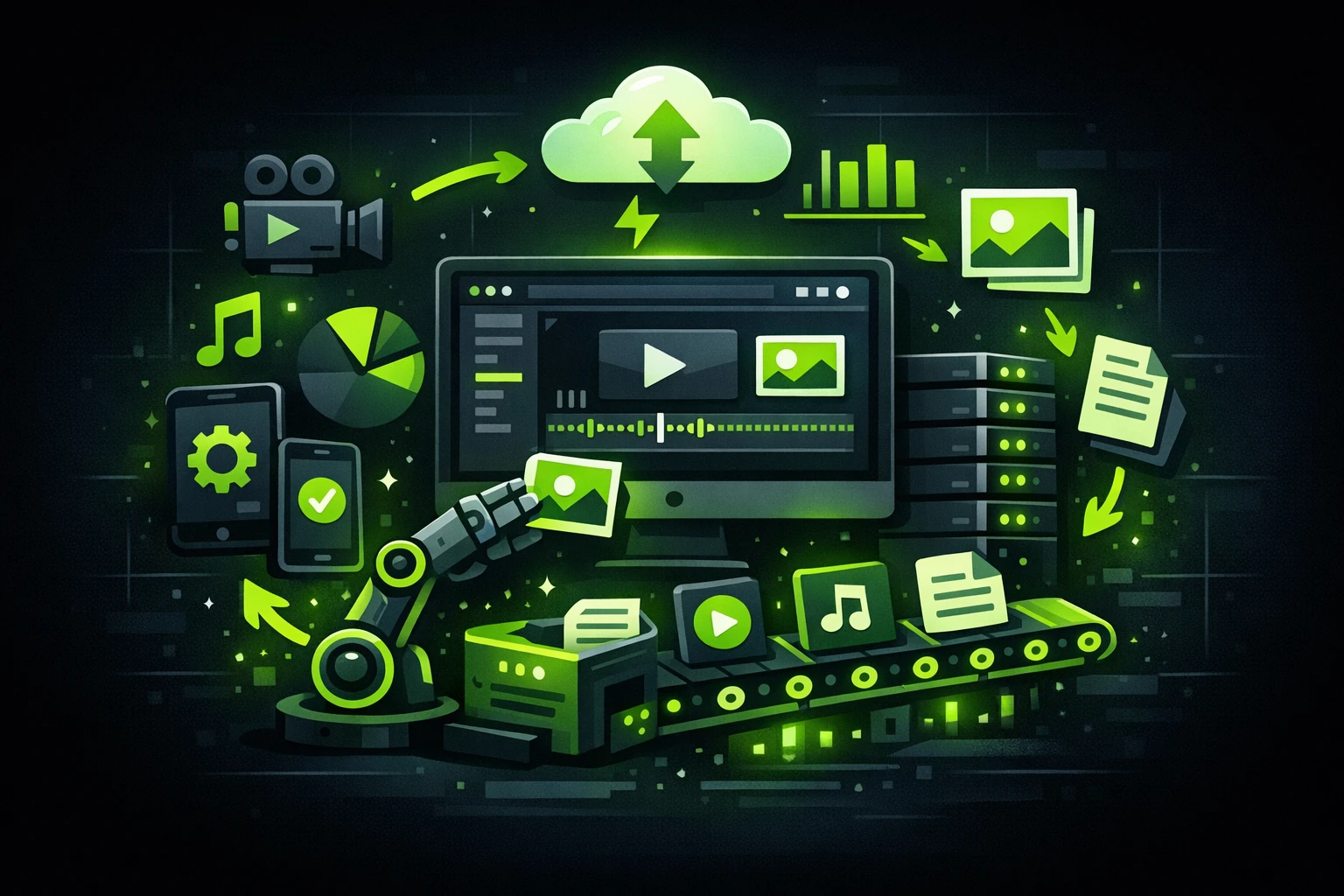
Multimedia atomization splits full assets into smaller, reusable pieces that serve multiple channels and formats. One can turn a webinar into a transcript, quote cards, short videos, infographics, and SEO-optimized pages without repeating creation work.
Enterprises can't afford manual copy-paste scaling. They either build a multimedia atomization workflow for enterprise content ops or watch competitors dominate distribution and GEO-targeted messaging.
Core benefits
First, it increases throughput with less headcount because components are reused across formats. Second, it improves consistency and governance so legal and brand don't slow production to molasses levels.
Third, it amplifies ROI from a single flagship asset by producing dozens of derivative pieces that feed SEO, AEO, and paid channels.
Key Components of a Robust Workflow
A reliable workflow mixes people, process, and platform with automation and schema-enabled outputs. One needs clear roles, standardized output formats, and integration points for llm-driven assistance that isn't left unsupervised.
Below are the essential building blocks every enterprise must include to be competitive and operationally sane.
People and Roles
Designate a content ops lead, an editorial owner, a creative producer, and a distribution analyst who owns measurement. One wants accountability, not the usual collective shrug.
Include a small engineering liaison who handles schema markup and CMS integrations. That liaison will be the gatekeeper for schema and automation quality.
Processes and Governance
Define a canonical source of truth for each pillar asset and a checklist for downstream reuse that includes SEO and GEO guidelines. This mitigates duplicated work and inconsistent messaging across regions.
Make editorial decisions based on performance metrics, not creative vanity. This is results-obsessed pragmatism: traffic and conversions beat subjective praise every time.
Platform and Tech Stack
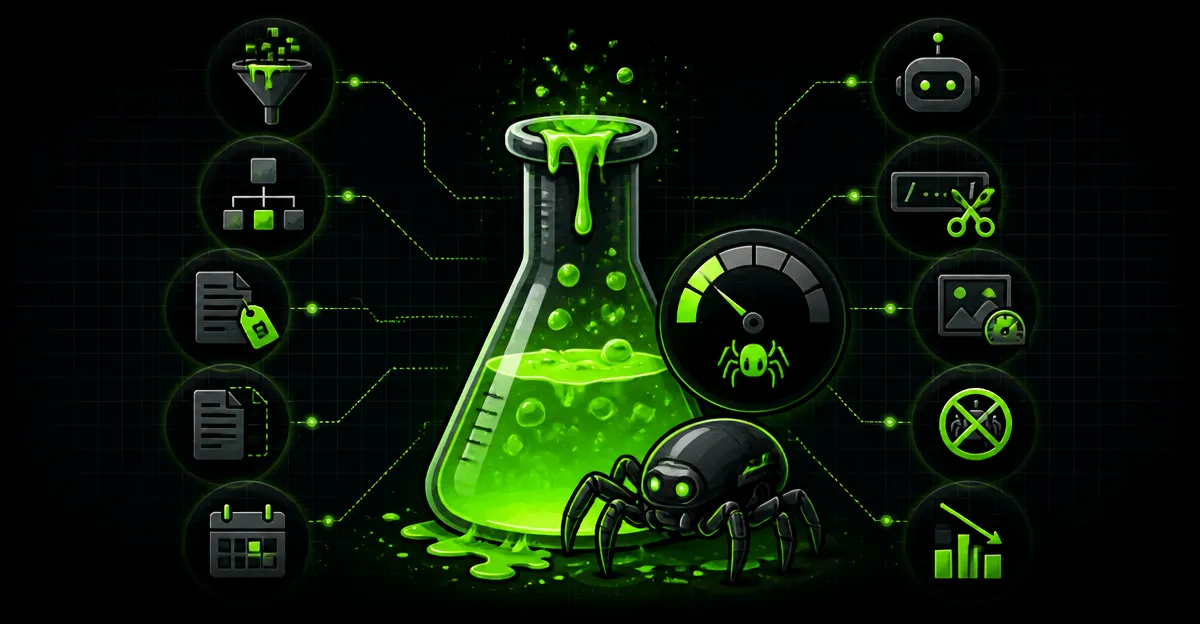
Tooling should include a DAM, a headless CMS, a workflow orchestration tool, an llm integration, and analytics. Make sure the CMS supports schema markup and schema exports so search engines and AEO signals behave predictably.
Consider integrating dedicated atomization platforms or building microservices that generate snippets, captions, and image crops automatically. That infrastructure pays for itself fast at scale.
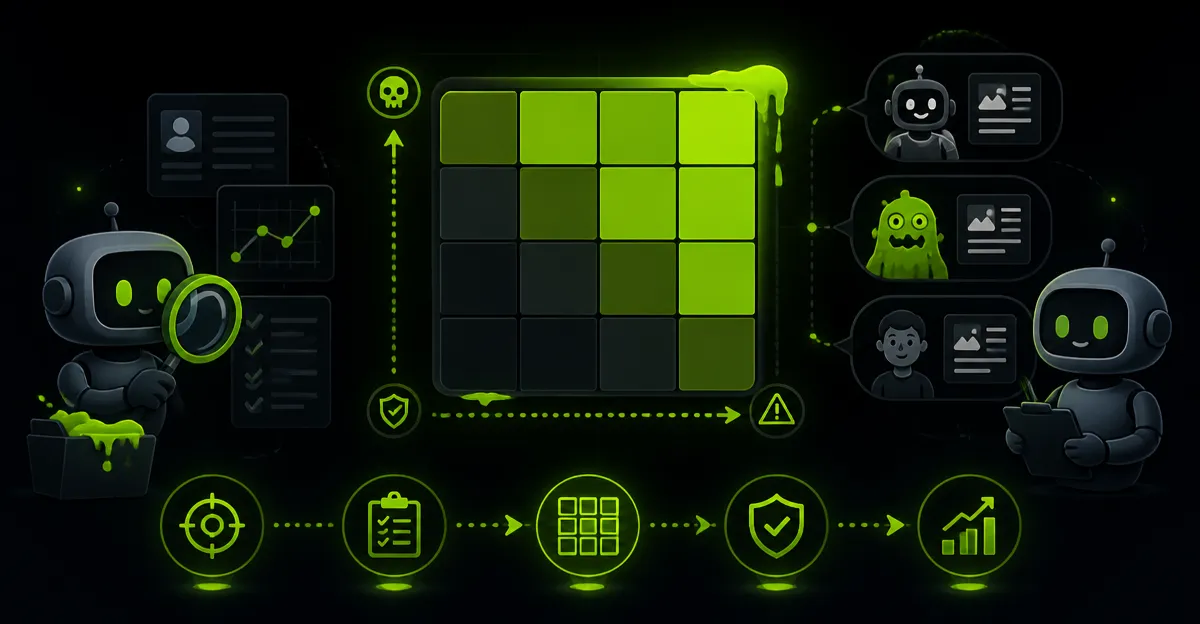
Step-by-Step Implementation Guide
One can implement a multimedia atomization workflow for enterprise content ops in phased steps to manage risk and budget. The following roadmap reduces friction and accelerates value capture.
- Audit current assets and tag canonical pieces in the DAM with metadata and GEO fields.
- Define output templates and schema markup patterns for each channel and format.
- Integrate an llm for draft transcriptions, summarization, and suggested metadata injection.
- Automate derivative generation and route assets through review gates in the workflow tool.
- Measure, iterate, and enforce governance based on AEO and SEO KPIs.
Each step has traps, so one must pilot with a single content vertical before broad rollout. Pilots reveal gaps in schema, taxonomy, and cross-team handoffs.
Detailed Example: Webinar to 30 Pieces in 48 Hours
Imagine a product launch webinar. The canonical asset gets uploaded to the DAM with tags for product, region, and audience intent. An llm transcribes the audio and creates a short abstract plus five topical highlights.
Automated services generate quote cards, three short promo clips, chaptered video snippets, an SEO landing page with schema markup, and a transcript page optimized for AEO. That's how one webinar becomes a month of content without reinventing the wheel.
Tools, Integrations, and Schema Strategies
Tool selection matters less than integration and schema compliance. One must ensure the CMS can deliver structured outputs and the DAM exposes metadata via API calls.
Leverage schema markup to tell search engines what each atom is: a VideoObject, Article, ImageObject, or HowTo. Proper schema boosts visibility in rich results and supports AEO signals.
Suggested Stack
- Enterprise DAM for raw assets and metadata.
- Headless CMS with schema export and localization support for GEO needs.
- Workflow orchestration for review gates and task assignments.
- llm services for draft text, metadata suggestions, and captioning.
- Analytics platform wired to track SEO and AEO outcomes.
Collaboration, Review, and Change Management
Enterprises devolve when approvals take weeks and teams operate in silos. One needs a tight approval SLA and a single source for metadata and legal checks to avoid rework.
Change management must include training on the atomization concept, plus templates and playbooks that reduce decision fatigue. People follow patterns; give them clear patterns to follow.
Metrics, Reporting, and Optimization
Measure everything that ties back to business goals: lead velocity, organic traffic from SEO, impressions from AEO placements, and engagement per asset. Raw production numbers without impact metrics are just vanity theatre.
Run A/B tests on atom variants and track which atoms feed the funnel best. Use that data to tweak headline templates, CTA placement, and schema fields that affect SERP appearance.
Pros and Cons: Is Atomization Right for Every Enterprise?
Pros are obvious: scale, consistency, and far better utilization of flagship assets across regions and channels. It also reduces time-to-market for campaign responses and GEO-specific variants.
Cons include upfront investment in tooling, governance friction, and the temptation to over-automate. Poorly supervised llm outputs can produce brand slop, and one will need human reviewers to catch those issues.
Case Study: A Telecom Enterprise
A large telecom built an atomization pipeline for product tutorials and regulatory content. They reduced localization turnaround from six weeks to five days by standardizing schema and automating subtitles and image crops.
Results were tangible: organic traffic to support articles increased 42 percent and call center tickets dropped 18 percent, proving that work that looks operational can deliver measurable business gains.
Common Pitfalls and How to Avoid Them
Don't skip taxonomy and schema work. Without consistent metadata, atoms get lost and duplicates explode. Also, don't hand llm tasks to untrained staff; define guardrails and QA steps.
Finally, one must prioritize assets by business impact, not by availability. Atomize the content that moves metrics and monetize distribution, then expand outward.
Conclusion
Multimedia atomization is not an academic exercise; it's a practical playbook for enterprise content ops that wants scale and measurable outcomes. One can either adopt this workflow now or watch competitors capture GEO audiences and AEO placements.
Implement with clear roles, schema-aware outputs, llm assistance that is supervised, and relentless measurement. Results over feelings: build the workflow, optimize relentlessly, and crush inefficiency.