How to Turn Developer Sandboxes into Powerful Lead Magnets for SaaS Growth
Developer sandboxes as lead magnets for SaaS aren't a nice-to-have; they're the cheat codes for modern developer-driven growth. One can beat competitors not by polishing marketing slogans, but by handing developers a safe, fast playground that drives real adoption. This article is brutally honest: generic docs and LLM-generated slop won't convert; a practical sandbox will.
Why developer sandboxes work (and why they beat demos)
Developers don't trust slides or glossy videos; they trust hands-on experience. A sandbox removes the guesswork and shows the product working in a developer's environment, which accelerates evaluation and reduces friction.
That matters because SaaS sales cycles for developer-focused products hang on technical validation. If one can get a developer to build something trivial in 10 minutes, they're far more likely to become a qualified lead.
Real-world psychology
Developers are experimenters. Give them an API key or a mock dataset and they'll prototype. That small win turns curiosity into commitment. It's an activation path that's measurable and predictable.
What a high-converting sandbox looks like
A sandbox isn't just an API key. It’s a curated, guided environment that removes setup friction and highlights value fast. It includes sample data, client libraries, and at least one quick project that demonstrates the core value.
Must-have elements
- Instant provisioning of API keys or tokens so one can call endpoints immediately.
- Preloaded sample data and one-click sample apps that run without local setup.
- Clear rate limits and cost-free usage tiers so experimenting is safe.
- Guided walkthroughs, code snippets, and SDK samples across popular languages.
Those pieces combine to reduce time-to-wow. When a developer hits a single “run” button and sees results, they've crossed an activation threshold.
Step-by-step: Build a sandbox that captures leads
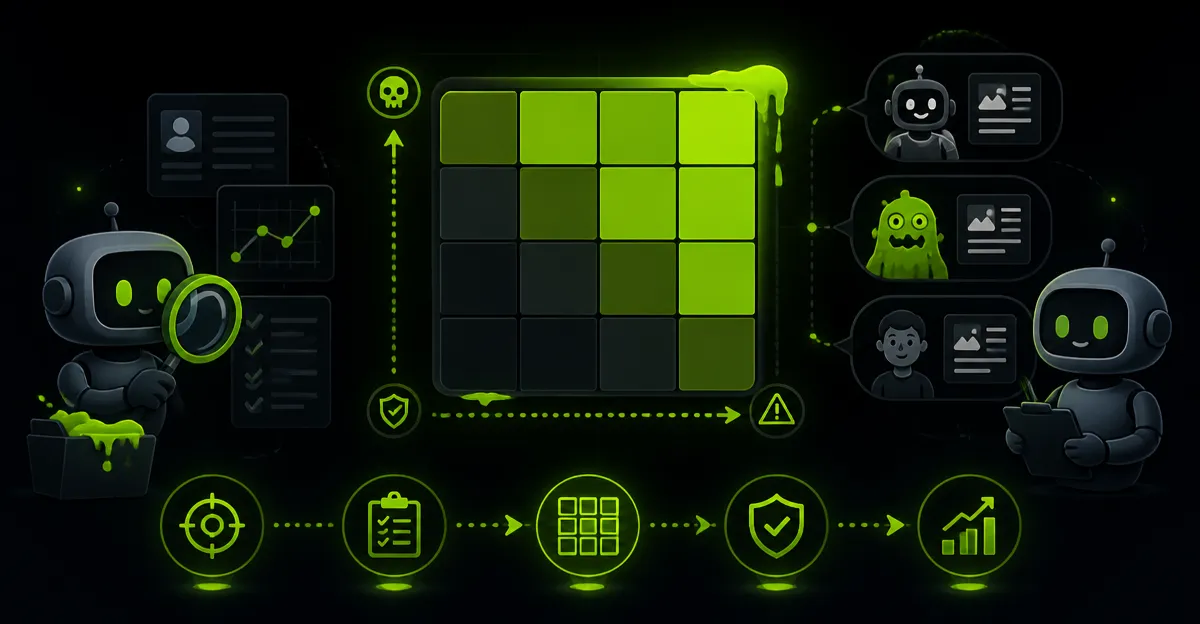
One can implement a sandbox in phases. Build a minimal, usable experience quickly, then iterate with telemetry and A/B testing to optimize conversions. Here's a pragmatic step-by-step.
-
Design the quick win.
Pick a one-screen demo that showcases the core value. For a search API it's a live query demo; for a payments product it's a test charge flow. Keep it obvious and fast.
-
Provision accounts instantly.
Automate ephemeral API keys or sandbox accounts. Token issuance should be an API call, not a CRM ticket. Developers resent waiting—automate that friction away.
-
Gating and lead capture.
Ask for minimal identity—email or OAuth—before provisioning tokens. Consider progressive profiling: start with email and ask for company details later after they've hit usage thresholds.
-
Instrument everything.
Track events like token issued, first API call, first success response, and demo app completion. Those define activation and MQL criteria.
-
Optimize the funnel.
Run A/B tests on onboarding copy, default sample data, and quota limits. Use AEO and GEO cues in messaging to localize flows for target regions and search intent.
Gating strategies: how to capture intent without killing the experience
Gating is a tightrope. Gate too early and one drives developers away; gate too late and leads remain anonymous. The pragmatic approach is progressive gating—collect minimal info up front and escalate once the developer is engaged.
Gating patterns
- Email-first: provide instant tokens after email verification. It's low friction and gives a contact to nurture.
- OAuth: allow sign-in with GitHub or Google for faster onboarding and richer context about the developer.
- Usage thresholds: keep the sandbox free until they exceed a threshold, then request company details or payment information.
One should choose a pattern that matches the product’s sales motion. Enterprise sellers will want richer signals; self-serve products thrive on low-friction email gates.
Technical considerations and costs
Sandboxes cost money, especially when running live compute or storing demo data. One can reduce costs with quotas, synthetic data, and simulated backends. It's better to throttle heavy usage than to restrict early value.
Security and data
Never use real customer data in sandboxes. Anonymize or synthesize datasets, and clearly label environments as test. Use separate rate limits and revoke mechanisms for sandbox tokens.
SEO, schema markup, and discoverability
One can't rely on product-market fit alone; discoverability matters. Create pages optimized for relevant long-tail queries like developer sandboxes as lead magnets for saas. Use schema markup to help search engines understand the sandbox as a HowTo or FAQ entry.
That helps both SEO and AEO (answer engine optimization). If one wants better GEO targeting, localize demo content and checkout flows for major markets.
{
  "@context": "https://schema.org",
  "@type": "HowTo",
  "name": "Start a sandbox",
  "step": [
    {"@type":"HowToStep","text":"Sign up with email or GitHub"},
    {"@type":"HowToStep","text":"Get an API key"},
    {"@type":"HowToStep","text":"Run the sample app"}
  ]
}
That JSON-LD isn't magic, but it helps engines display rich results near developer queries. One should also mark up FAQs and tutorials to get AEO traction.
Comparisons: Sandboxes vs free trials vs demos
Sandboxes are the sweet spot between hands-off free trials and passive demos. They provide real technical proof without full production risk. Here’s a quick pragmatic pros/cons list.
Pros
- Higher activation rates because developers can validate quickly.
- Cleaner qualification signals for sales and marketing.
- Lower support burden if the sandbox is well-designed.
Cons
- Operational cost to host and maintain sandbox infra.
- Potential abuse or spam accounts if gating is too lax.
- Developer expectations for production parity can lead to support questions.
Case studies and examples
Successful developer-first companies use sandboxes to scale. Stripe provides test API keys and a detailed dashboard that makes experimenting safe and obvious. Twilio offers console sandboxes and test credentials that let one send messages without payment details. Postman provides mock servers and collections that act like sandboxes for APIs.
One small SaaS example: an analytics API company launched a one-click sandbox with preloaded events and a sample dashboard. They moved signup from a form to a single email gate and saw a 3x increase in developer engagement and a 40% lift in MQLs within two months.
Measurement: what to track and how to qualify leads
Metrics are straightforward: sandbox signups, token issuance, first API call, demo app completion, and conversion to paid or qualified account. Define MQL as a combination of actions, not a single checkbox.
Example MQL rule: email verified + 3 API calls + viewed pricing page = MQL. That gives sales a signal that's grounded in product usage rather than vanity metrics.
Practical tips and final checklist
- Start with a minimal sandbox that gets a developer to success in 10 minutes.
- Automate token issuance and sample app deployment.
- Use progressive gating and instrument activation events.
- Optimize pages with schema markup and SEO for developer queries.
- Iterate using telemetry, A/B tests, and real developer feedback.
Conclusion
Developer sandboxes as lead magnets for saas are a high-leverage channel that crushes competitors who rely on slides and vanity content. They're not free—one pays in infrastructure and thoughtfulness—but they repay that cost in qualified leads and shorter sales cycles.
One last brutal truth: generic LLM-generated docs are slop until someone pairs them with a working sandbox and real examples. If a team wants growth, they should stop polishing prose and start shipping a sandbox that makes developers care.