Does Content Coherence Boost SEO Rankings? The Ultimate Guide
Published January 1, 2026. This guide answers the blunt question everyone whispers: does content coherence affect rankings?
One won't get away with vague optimism here. Search is a machine, users are impatient, and AI-generated slop is everywhere. This guide lays out what coherence actually means, why it controls outcomes, and exact steps to dominate competitors.
Intro — Why this question matters in 2026
SEO has never been a game of nice intentions. It's results over feelings, and coherence is a big lever in that machine. Does content coherence affect rankings? Short answer: yes, and the impact is bigger than most want to admit.
Search engines now combine classic algorithms with LLM-based understanding, AEO signals, and structured data like schema markup. That means messy, scattered content gets punished while organized, coherent content gets rewarded.
What is content coherence?
Content coherence isn't fancy wording for 'good writing.' It's how well a piece holds together topically, structurally, and semantically. One can imagine it as the glue that prevents a page from falling apart when crawled or read.
Topical coherence
Topical coherence means the text sticks to a set of tightly related subtopics and answers the user intent consistently. If a page claims to be "best running shoes" it shouldn't wander into unrelated nutrition guides.
For search engines and LLMs, topical coherence helps build strong topical signals and authority on a subject. That's why they like clusters and pillar pages.
Narrative and logical coherence
Narrative coherence is flow — can a reader move from introduction to conclusion without tripping on contradictory or missing information? Logical coherence is about structure: definitions, evidence, examples, then a conclusion.
Both matter for users and for AEO (Answer Engine Optimization), where concise, logical answers get plucked for featured snippets and AI responses.
Structural coherence
This covers headings, sectioning, internal linking, and schema markup. It's the skeleton that tells crawlers and LLMs what parts matter and how they're related. Don't skimp here.
Example: using FAQ schema for a question-rich page helps AEO and makes those answers easier to extract by search and voice assistants.
How coherence influences rankings — the mechanisms
Understanding the "why" helps someone decide where to invest time and budget. Coherence helps in at least four measurable ways.
1) Better crawl and indexing signals
Well-structured pages reduce crawl noise and focus link equity. Crawlers and LLM-based modules better identify primary topic signals on coherent pages.
That means better indexing choices and fewer irrelevant matches for queries — which matters for GEO-targeted and global queries alike.
2) Higher engagement and behavioral signals
Coherent content keeps users on the page and leads them to related pages. That creates better time-on-page, lower pogo-sticking, and stronger behavioral signals for search engines.
Those metrics often correlate with ranking improvements over weeks, not days.
3) Stronger AEO and snippet potential
A coherent, concise answer structure gets picked for Answer Engine Optimization. Short, structured answers with schema markup are prime LLM snacking material.
Don't forget that being picked for an AI answer can cannibalize clicks, but it also boosts brand visibility and organic traffic indirectly.
4) Clearer topical authority
Search engines infer topical authority from a cluster of coherent pages. One coherent pillar plus well-linked cluster beats ten scattered, keyword-stuffed pages every time.
That's basic optimization but many sites keep doing the sloppy thing because it's fast. Don't be that site.
Real-world examples and a quick case study
Examples show what's possible when coherence is prioritized. One mid-market review site rebuilt category pages into a coherent pillar+cluster model. They combined structured summaries, consistent headings, and FAQ schema.
Within three months they reported improved rankings for target keywords and a noticeable lift in long-tail queries. The traffic gains came from better snippet capture and longer session duration.
This isn't magic. It's fixing the signal-to-noise ratio that LLMs and crawlers use. Think of it like tuning a radio: clarity wins over volume.
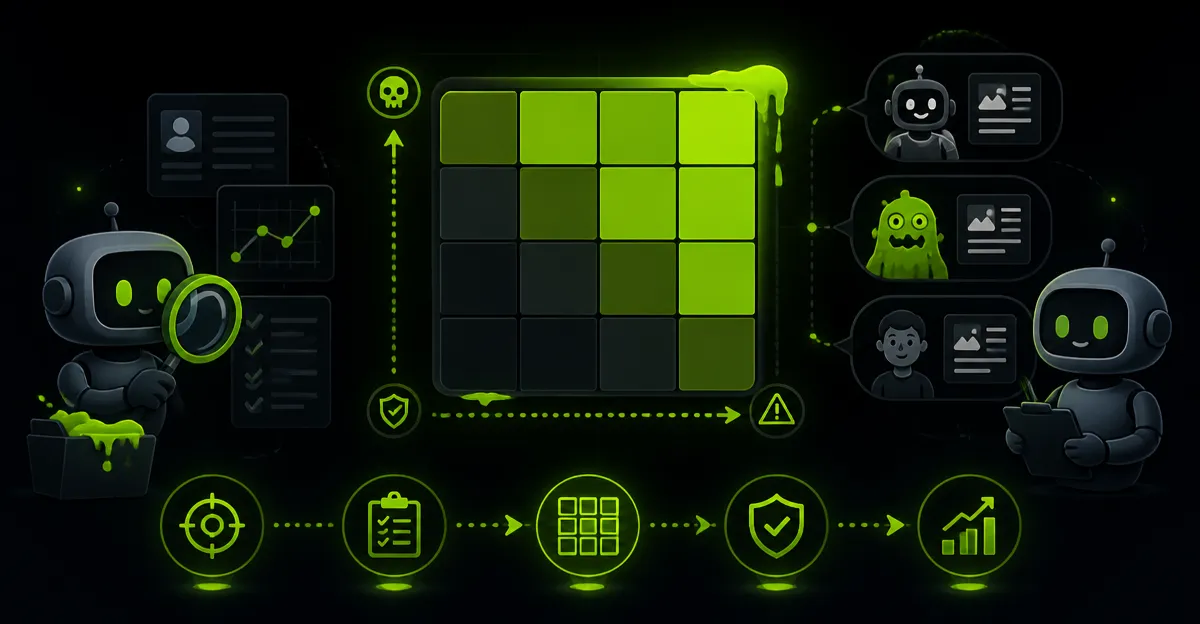
Step-by-step: Audit and improve content coherence
One can follow this clear playbook to audit and improve coherence without hiring a research lab.
- Map intent: Group pages by primary user intent and GEO targeting if relevant.
- Cluster and consolidate: Combine thin, overlapping pages into a single coherent resource.
- Structure headings: Use H2/H3 to reflect logical flow; put the answer near the top for AEO.
- Add schema markup: Article, FAQ, HowTo or LocalBusiness schema depending on use case.
- Internal linking: Link from pillars to clusters with consistent anchor text and context.
- Measure and iterate: Track SERP features, snippet impressions, and behavioral metrics.
Each step is tactical and measurable. One shouldn't guess — measure. That's the pragmatic part.
Schema markup examples (practical)
Schema markup isn't optional if one wants to win AEO and LLM-extracted answers. Adding JSON-LD is quick and effective.
{
  "@context": "https://schema.org",
  "@type": "FAQPage",
  "mainEntity": [{
    "@type": "Question",
    "name": "Does content coherence affect rankings?",
    "acceptedAnswer": {
      "@type": "Answer",
      "text": "Yes. Coherent structure and clear answers improve indexing, snippet capture, and LLM extraction."
    }
  }]
}
That's a minimal example. One can expand this into Article schema with author, datePublished, and GEO tags for local intent.
Pros and cons of prioritizing coherence
Coherence isn't free. Here's a pragmatic list so one knows the tradeoffs before spending developer hours.
Pros
- Stronger topical authority and snippet capture.
- Lower bounce rates and better user flow.
- Better AEO performance and easier LLM extraction.
Cons
- Requires content consolidation and editorial effort.
- Possible temporary traffic dips during migration.
- Needs ongoing maintenance to stay coherent as topics evolve.
Common mistakes and quick fixes
Sites often get sloppy with coherence. They sprinkle keywords like confetti and call it optimization. That's slop, and search engines know it.
Common fixes include merging redundant pages, tightening headline hierarchy, adding schema markup, and rewriting intros to answer questions immediately. Small moves, big results.
Comparisons: Coherent vs Incoherent pages
A quick mental experiment helps. An incoherent page hops between topics, buries the answer, and lacks schema. A coherent page answers quickly, uses logical headings, and includes structured data.
Which one would an LLM pick for a snippet? Which one does a human reader trust? The answer is obvious and it's why coherence matters.
Advanced: Signals for LLMs and future-proofing
As LLMs get tighter, they reward pages that are machine-friendly. That means consistent terminology, entity clarity, and schema markup that clarifies relationships.
One should think in terms of entity graphs: connect concepts, dates, locations, and people with explicit structure so LLMs don't have to guess.
Final verdict — does content coherence affect rankings?
Yes. Coherence is a compounder that improves indexing accuracy, AEO results, snippet capture, and user engagement. It's not a silver bullet, but it's one of the highest-ROI plays one can make for sustainable SEO.
If one wants to crush competitors, coherence is the boring tactical edge that compounds into dominance. Don't trust fluffy advice — measure, apply schema markup, optimize for intent, and iterate.
Action checklist (5 quick wins)
- Run a content overlap audit and merge duplicates.
- Ensure each page answers its primary question within the first 150 words.
- Add relevant schema markup (FAQ, Article, LocalBusiness) where it fits.
- Create pillar pages and internal linking from clusters.
- Track snippet impressions, session time, and organic traffic by topic weekly.
Closing thoughts
One can't pretend coherence is optional anymore. With LLMs, AEO, GEO nuances, and schema-powered extraction, messy content gets left behind. Results beat intentions, so prioritize coherence and measure the outcome.
Don't let competitors win by being louder. Be clearer, better-structured, and ruthless about quality. That's how one wins in modern SEO.